
CCTV News: Every year, the world cultural heritage site, Dunhuang Mogao Grottoes, is a popular tourist destination. The murals and colored sculptures here are exquisitely crafted and diverse in style, reflecting the multiple forms of ancient social life and witnessing the exchanges and dialogues between civilizations along the ancient Silk Road. However, after thousands of years, many cultural relics have suffered damage and diseases to varying degrees. How to make these thousand-year-old treasures last forever? What skills do the "cultural relics doctor" need?
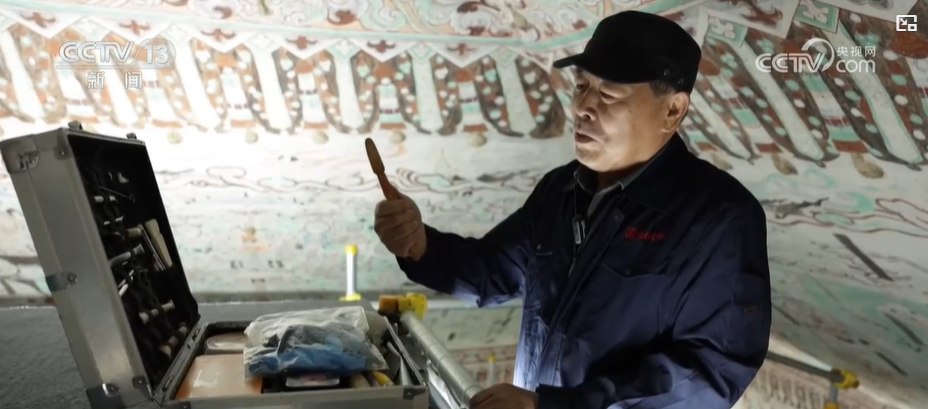
He is Liu Tao. After he was over 60 years old, he paid more attention to exercise and had to take a walk almost every day. He would also take the initiative to help his wife take on more housework, buy groceries and cook. However, when he pushed open the gate of Mogao Grottoes, he was a senior cultural relics restoration expert. His hands could defeat time and continue history.
In Cave No. 55, Mogao Grottoes, Liu Tao, who was rehired after retirement, was still on the front line and worked with his apprentices to repair murals with various diseases such as arbor, fall off the ground layer, and crispy alkali in the cave.
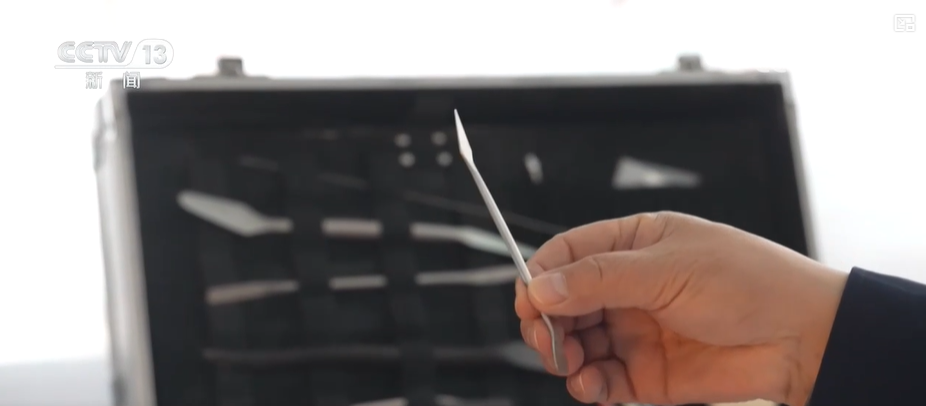
In Dunhuang Research Institute, every cultural relics restorator has his own treasure chest. A large part of the nearly 100 tools hidden in Liu Tao's box are made by himself. When I first started working, there were no special tools for repair, so everyone looked around for the disease and did it by themselves. For more than 30 years, he has repeatedly thought about it and tried it before he saved up a full box. He used medical syringes and ear wash balls to accurately control the amount of drops when injecting glue. He used the softest wool blush brush to remove dust. As for the wooden and iron repair knives, he made thousands of them and kept striving for excellence.
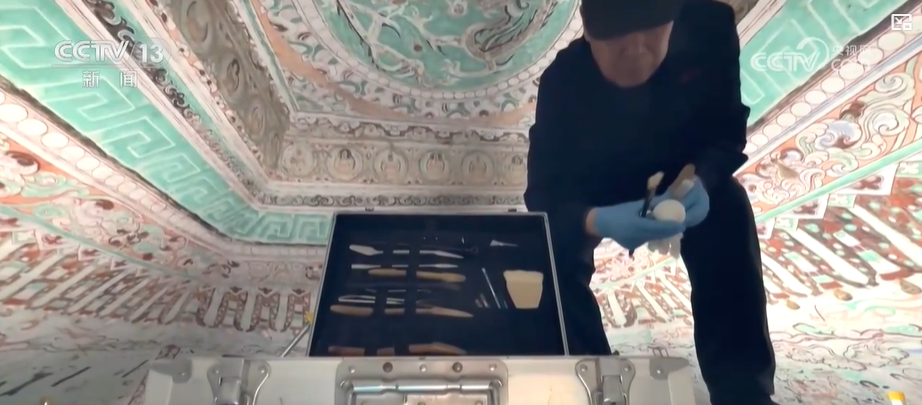
In between the square inch, meticulously crafted. Day after day, from morning to night, repairing loneliness and boredom can definitely be regarded as one of the most challenging tasks to patience, but for Liu Tao, "face the wall" is a kind of affirmation, and no one can do experiments with repairing cultural relics. He also practiced little by little from helping and apprenticeship, and only after his skills were matured was qualified to "face the wall". As long as he stands here, he will not allow himself to be negligent, dust removal, glue injection, bonding, pressing... holding his breath, and these hands are cautious.
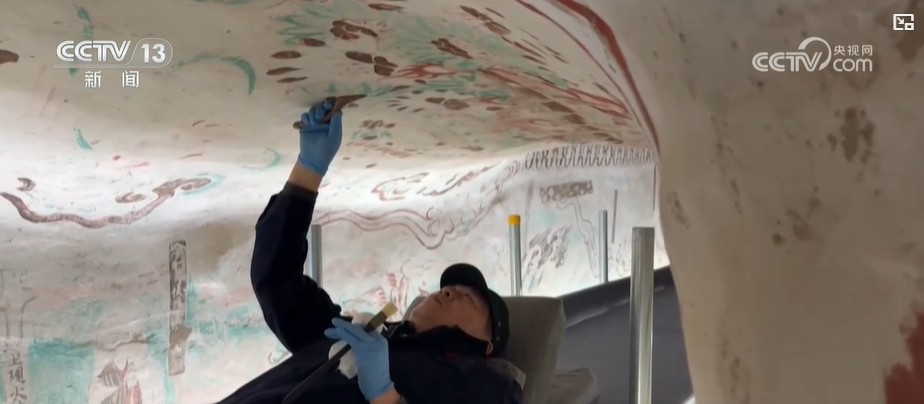
The mural of the No. 55 cave built in the Song Dynasty exceeded 500 square meters, and five floors were built with scaffolding alone. In the cave, people couldn't help but climb up and down. Everyone had to lie down.
Repair of Cultural Relics "Zero Mistakes" to protect Mogao Grottoes
Since the 1940s, generations of intellectuals have gone to the depths of the desert to continue to protect the Dunhuang Grottoes, live in earthen houses and kangs, use earthen tables and kerosene lamps, drink bitter and salty water, climb the "centipede ladder", and use mirror refraction to copy and study murals. Under extremely arduous material living conditions, the cultural relics workers of the Dunhuang Research Institute stick to this, passed on from generation to generation, and did a lot of work to make the barren land gradually become a model for the protection of world cultural heritage.
Responsibility and love made Liu Tao unable to leave in the end, and also allowed batches of guardians to stay here. Liu Tao said that his master was a craftsman of a great country and was hailed as the "leader of cultural relics restoration in my country". His leading and his advocacy deeply influenced him.
Every cultural relic is unique, irrenewable, and irreplaceable, so no errors are allowed in the restoration work. Necessary "zero mistakes" are the first principle of cultural relics restoration that Liu Tao has kept in mind for 39 years. This "iron law" has also become the first lesson he taught his apprentices.
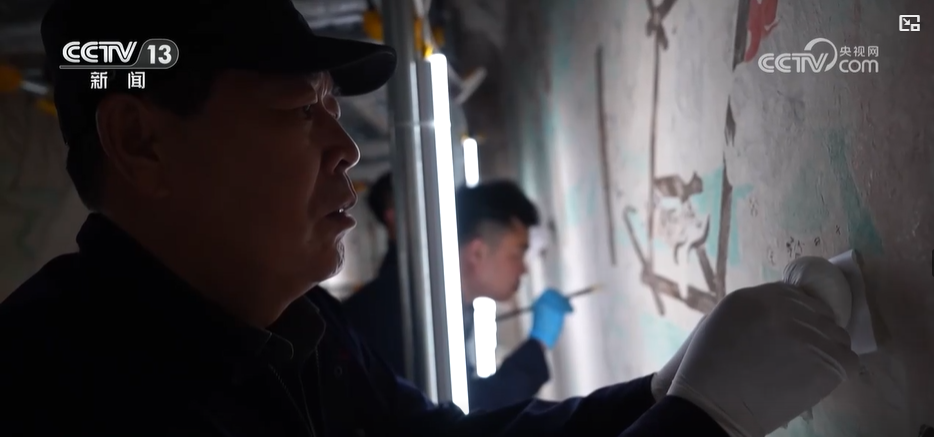
Like master Li Yunhe, Liu Tao also talked less when he took his apprentice, and did more.
Now, the cultural relics restoration team of the Dunhuang Research Institute has grown from the initial 4 people to the hundreds today, and more and more new vitality has joined this sand sea oasis, with young people accounting for more than 70%.
Fix, one millimeter, one millimeter dry. After more than 30 years, Liu Tao knew every restoration details at that time.
One cave, ten caves. Now, Liu Tao no longer remembers how many caves he had repaired in Mogao Grottoes, but when he walked in the cave area and looked at the rows of caves, he felt friendly.
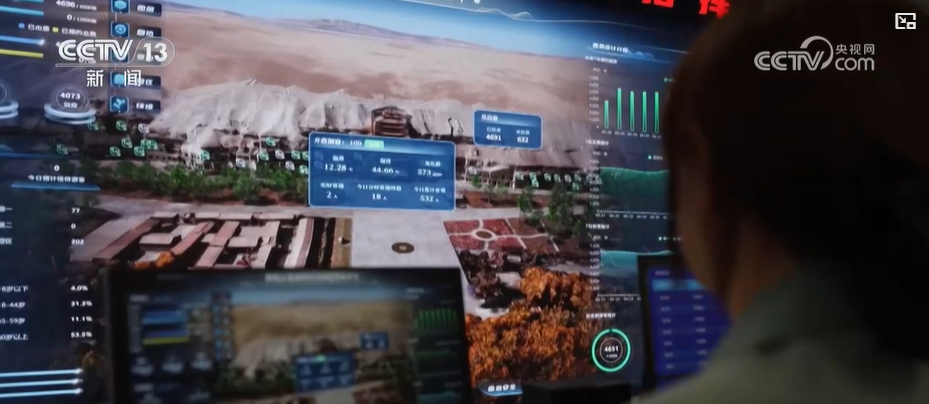
Now, with the continuous development and improvement of the technology and concepts for the protection and restoration of Dunhuang Grottoes murals, "long-term preservation and sustainable use" may become a reality. Especially in the past twenty years, mural protection has achieved rapid development in basic research, platform construction, technical specifications, disease management and technical radiation, and has entered a new stage of development.